

Blocked Assets Under Crimea Measures: A Comprehensive Overview
The issue of blocked assets under Crimea measures has gained significant attention in recent years, especially in the context of international law and economic sanctions. These measures were implemented in response to the annexation of Crimea by Russia in 2014, leading to a host of legal, economic, and political ramifications. For those seeking an in-depth understanding of the implications of these sanctions, consider reviewing further insights on the legal consequences available blocked assets under Crimea measures https://eatingwithkirby.com/news/blocked-assets-under-crimea-measures-legal-consequences.html.
Historical Context
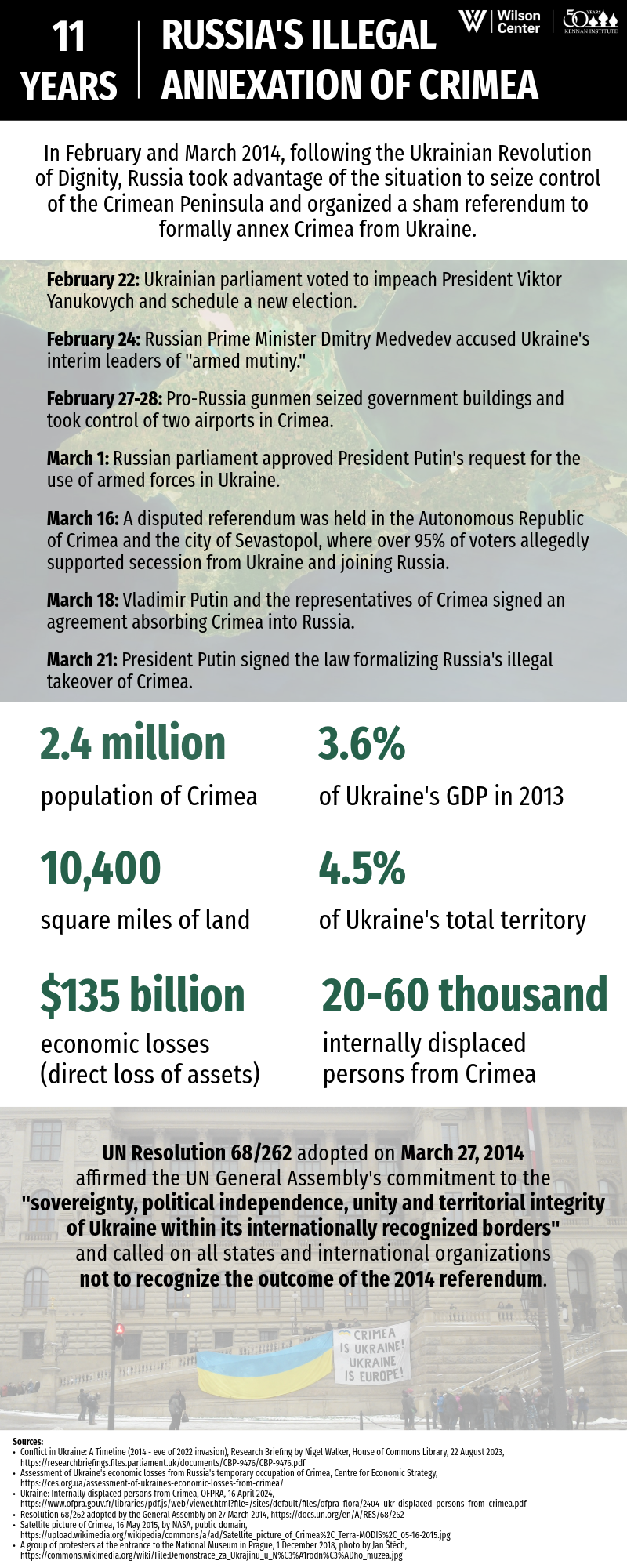
To fully understand the implications of blocked assets under Crimea measures, one must first consider the historical context. Following the 2014 annexation, the West, led by the United States and the European Union, imposed a series of financial and economic sanctions against Russia. This was intended to penalize Russia for its actions in Crimea and deter further aggression in Eastern Ukraine. As part of these measures, a range of assets belonging to individuals, businesses, and government entities associated with the Russian government were blocked.
Legal Framework of Blocked Assets
The legal framework regarding blocked assets under Crimea measures is multifaceted, encompassing various national and international laws. In the United States, for example, the Office of Foreign Assets Control (OFAC) administers sanctions, including those against entities operating in Crimea. Similarly, the European Union has its own regulatory mechanisms that enforce these sanctions. These laws are designed not only to freeze the financial assets of designated persons and entities but also to prohibit any transactions with these parties.
Types of Blocked Assets
Blocked assets can include a variety of financial instruments. These may comprise bank accounts, real estate properties, corporate shares, and other investment vehicles. For companies operating in Crimea or with ties to designated individuals, the consequences of these measures can be severer, leading to significant financial losses and long-term reputational damage.
Economic Implications
The economic implications of blocked assets under Crimea measures extend beyond the affected individuals and entities. Russia’s economy has been burdened by sanctions, leading to a decrease in foreign investments and economic isolation. This situation has prompted the Kremlin to seek alternative alliances and markets, further complicating the geopolitical landscape.
Impact on International Relations
Sanctions and the blockage of assets have far-reaching implications for international relations. Countries that support the sanctions find themselves at odds with those that oppose them, such as Russia and its allies. The situation creates a polarized global environment where diplomatic relations can be strained, affecting negotiations on other critical issues such as arms control, trade, and climate change.
/cloudfront-us-east-2.images.arcpublishing.com/reuters/FCS4VQKMLBMSHPMD5UFCLBRXFQ.jpg)
Legal Consequences for Individuals and Entities
The legal consequences of engaging with blocked assets can be severe. Individuals and companies risk facing hefty fines, legal actions, and even imprisonment in some cases. Engaging in transactions with sanctioned individuals or entities can lead to prosecution, both locally and internationally. It’s crucial for businesses and financial institutions to conduct thorough due diligence to ensure compliance with applicable sanctions.
Compliance Strategies for Businesses
For businesses operating in or with ties to Crimea, developing a robust compliance strategy is essential to navigate the complexities of blocked assets. Implementing comprehensive monitoring systems, regular training for employees, and seeking legal counsel are vital components to mitigate risks associated with sanctions. Companies must stay updated on changes in sanction policies to remain compliant and avoid potential legal repercussions.
Conclusion
In conclusion, the matter of blocked assets under Crimea measures represents a complex intersection of law, economics, and international relations. Businesses and individuals must remain vigilant and informed about the implications of these sanctions, as failing to comply can result in dire consequences. Engaging with legal experts who specialize in international sanctions can provide invaluable guidance in navigating this intricate landscape.